
Stop Leash Pulling During Winter Walks
Winter walks are supposed to be refreshing. Crisp air, quieter streets, and fewer distractions can actually make this season ideal for training. But if your dog turns every outing into a tug-of-war match, winter can feel more like a balancing act on ice.
If you’ve been trying to stop leash pulling but feel like it’s getting worse during colder months, you’re not alone. Many dogs pull harder in winter due to pent-up energy, new smells, and environmental changes. The good news? With the right structure and consistency, winter can be the perfect time to reset your dog’s leash manners.
Let’s break down why pulling increases in winter, and how to fix it for good.
Why Dogs Pull More on Leash in Winter
Before you can correct pulling, it helps to understand why it intensifies during colder months.
Increased Energy From Being Indoors
Shorter days and colder temperatures usually mean less outdoor time. When dogs finally get outside, they’re bursting with energy, and that excitement often translates into forward momentum and pulling.
If your dog spends more time indoors during winter, their walk becomes the highlight of their day. That overexcitement is one of the most common drivers of leash tension.
Cold Weather Excitement & New Scents
Winter introduces new environmental stimuli. Snowfall changes scent patterns, wildlife becomes more active in neighborhoods, and colder air can make smells more pronounced. Even dogs that normally walk calmly may become more reactive or distracted.
Owner Tension Travels Down the Leash
We bundle up. We rush. We grip the leash tighter because it’s cold and slippery.
Dogs are incredibly sensitive to body language and leash pressure. When you start the walk with tension already in the leash, your dog often leans into that pressure instinctively. What begins as a small amount of tightness can quickly escalate into full pulling.
Leash pulling happens when a dog consistently moves ahead of their handler, creating tension on the leash. It’s usually caused by excitement, lack of structured training, or reinforcement of pulling behaviors over time.
Pulling isn’t stubbornness; it’s a learned pattern that can be reshaped with consistency.
Why You Should Stop Leash Pulling Now (Not in Spring)
It’s tempting to wait until the weather warms up to focus on training. That delay often makes the behavior harder to fix.
Winter Safety Risks
Pulling is dangerous year-round, but winter increases the risks significantly. Icy sidewalks, slippery driveways, bulky coats, and reduced balance create a perfect storm for accidents. One sudden lunge can lead to falls, strained shoulders, or worse.
Pulling Is a Learned Behavior
If pulling gets your dog where they want to go, even occasionally, it’s reinforced. Every step forward while the leash is tight teaches your dog that pulling works. Over time, that behavior becomes stronger and more automatic.
Winter Is the Perfect Training Season
Interestingly, winter can be ideal for leash training in Atlanta and surrounding areas. There are often fewer distractions outdoors, which makes it easier to focus on structure. This controlled environment creates the perfect opportunity to strengthen obedience training in Milton and build consistent walking habits.
What Doesn’t Work When Trying to Stop Leash Pulling
Many well-meaning owners accidentally reinforce the very behavior they’re trying to eliminate.
Common Mistakes That Make Pulling Worse:
Yanking the leash repeatedly
Using retractable leashes
Inconsistent commands
Letting the dog pull “just this once”
Switching techniques too often
Repeated leash corrections often teach dogs to pull through pressure rather than avoid it. Retractable leashes encourage constant tension, which directly contradicts loose-leash training. Inconsistent commands and mixed techniques confuse dogs about expectations, and allowing pulling occasionally reinforces the habit. Clear rules and consistency are essential for long-term success.
When to Call a Professional Dog Trainer
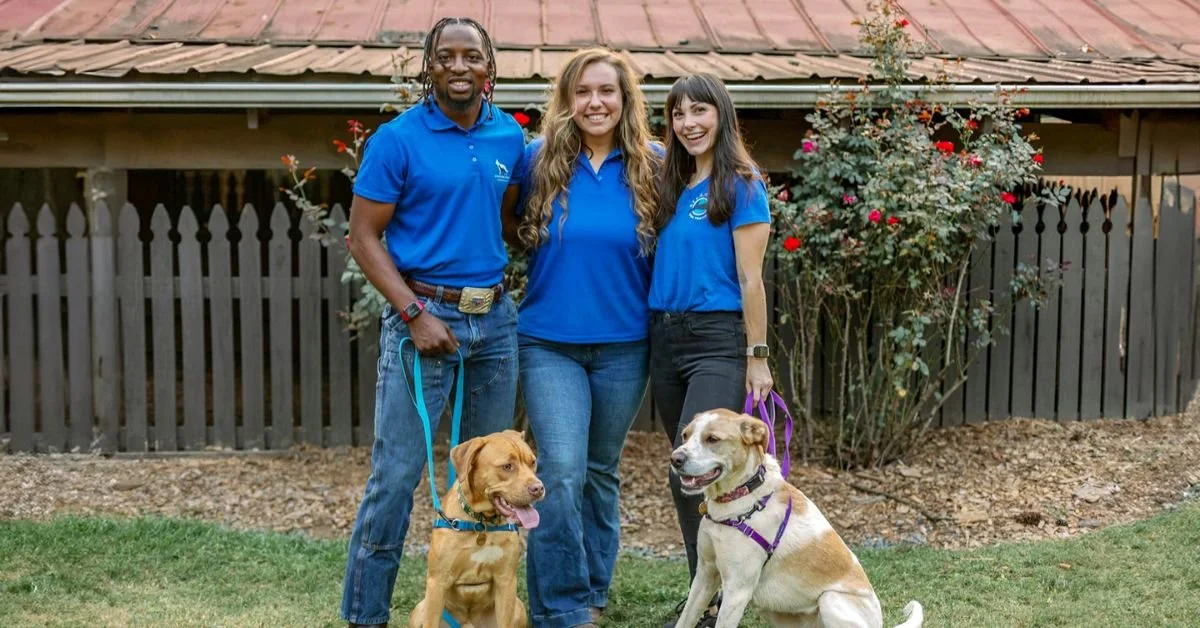
Sometimes pulling is rooted in deeper behavioral patterns such as reactivity or anxiety.
If pulling is causing physical strain, if your dog lunges at people or other animals, or if consistent training hasn’t produced results, it may be time to seek professional support. Working with a knowledgeable dog trainer in Alpharetta can help uncover the root cause of pulling and create a customized plan.
Professional leash training in Atlanta provides structured, real-world practice and accountability. For many families, combining foundational obedience training in Milton with leash work produces the fastest and most lasting improvements.
How an Atlanta Dog Trainer Helps You Stop Leash Pulling for Good
At Atlanta Dog Trainer, leash manners are not treated as an isolated issue. They are part of a complete obedience foundation designed to create calm, reliable behavior in everyday situations.
Structured training programs focus on building the right state of mind first, then reinforcing consistent leash techniques in real-world environments. Whether you’re looking for leash training in Atlanta, guidance from a trusted dog trainer in Alpharetta, or comprehensive obedience training in Milton, the goal remains the same: long-term reliability.
Training that works in winter builds habits that carry through every season.
Frequently Asked Questions About Leash Pulling
Why does my dog pull more when it’s cold?
Cold weather often increases stimulation due to new scents, wildlife activity, and pent-up indoor energy. This heightened excitement makes structured training especially important during winter.
How long does it take to stop leash pulling?
The timeline depends on consistency and how long the behavior has been practiced. Some dogs improve within a few weeks, while deeply ingrained habits may require several months of structured training.
Is a harness better than a collar for pulling?
Equipment can help manage pulling, but tools alone do not teach loose-leash walking. Proper training is what creates lasting change.
Can older dogs learn loose leash walking?
Yes. Dogs of any age can learn new behaviors when training is consistent and clearly communicated.
Should I avoid walking my dog in winter if they pull?
Avoidance often increases pent-up energy. Short, structured walks are more effective than skipping them entirely.
Build Better Winter Walks Starting Today
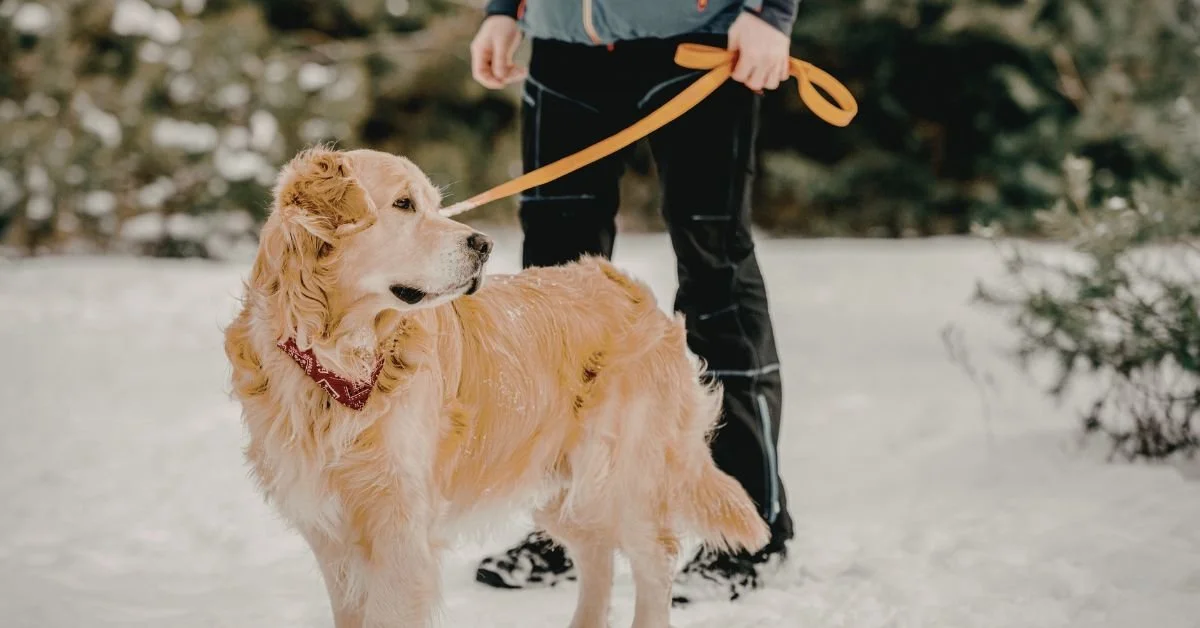
Winter walks don’t have to feel like a battle of strength. When you stop leash pulling now, you’re creating safer, calmer, and more enjoyable outings for every season ahead.
With the right structure, consistency, and professional guidance, your dog can learn to walk confidently at your side, even in cold, distracting conditions.
If you're ready to transform your daily walks, Atlanta Dog Trainer offers expert leash training in Atlanta, personalized programs with a trusted dog trainer in Alpharetta, and proven obedience training in Milton.