
How Much Socialization Does My Puppy Need and What Counts as Socialization?
Bringing home a new puppy is exciting, and maybe a little overwhelming. You want to raise a confident, friendly dog who behaves well at parks, patios, and around guests. But then the big question hits:
How much socialization does my puppy actually need, and what even counts as socialization?
If you're navigating puppy socialization in Atlanta, the answer matters even more. Between busy sidewalks, BeltLine strolls, neighborhood gatherings, delivery drivers, and dog-friendly spaces, your puppy will experience a lot in their first year.
In this guide, we’ll explain how much socialization your puppy truly needs, what actually counts, when to start, and why structured puppy classes in Milton and puppy training in Alpharetta can make a lasting difference.
What Is Puppy Socialization?
Puppy socialization is the structured and positive exposure of a puppy to new people, animals, environments, sounds, and experiences during their critical development period so they grow into confident, well-adjusted adult dogs.
Notice two important words: structured and positive.
Socialization is not simply letting your puppy meet random dogs. It involves carefully introducing new experiences at a pace that builds confidence instead of fear. The critical socialization window typically runs from 3 to 16 weeks of age, when your puppy’s brain is rapidly developing and forming long-term associations.
How Much Socialization Does a Puppy Really Need?
There isn’t a magic number, but there are smart guidelines.
The Critical Socialization Window (3 to 16 Weeks)
During this stage, puppies are naturally more open to new experiences. Positive exposure during this time is far more effective than trying to fix fear-based behaviors later. Waiting too long can make normal situations, like meeting strangers or hearing loud trucks, feel overwhelming.
Daily vs. Weekly Exposure Goals
Instead of focusing on quantity, focus on consistent, positive exposure. Short new experiences each day are ideal, combined with more structured interactions weekly. Repetition builds familiarity, and gradual increases in difficulty help your puppy adapt without feeling flooded.
A calm five-minute exposure that ends positively is far more beneficial than an hour of chaotic interaction.
Signs Your Puppy Needs More Socialization
If your puppy frequently hides behind you, barks at unfamiliar sounds, appears fearful around new people, or becomes excessively overexcited in stimulating environments, it may be a sign they need more guided confidence-building experiences. These behaviors don’t mean something is wrong, they simply indicate your puppy needs structured exposure at the right pace.
What Actually Counts as Socialization?
Many owners assume socialization equals playtime with other dogs. While dog interaction is important, it’s only one piece of the puzzle.
Exposure to different types of people is essential. Your puppy should gradually meet adults of various ages and appearances, children in calm supervised settings, and individuals wearing hats, sunglasses, or uniforms. This prevents fear responses later when your dog encounters unfamiliar visuals.
Environmental exposure is equally important. Puppies benefit from short visits to parks, outdoor patios, car rides, and even brief positive trips to the veterinarian’s office. These experiences teach adaptability.
Sound and surface exposure also matter. Traffic noise, doorbells, vacuums, elevators, hardwood floors, gravel, and grass all provide valuable sensory experiences that shape a resilient adult dog.
Examples of Healthy Puppy Socialization Experiences
Calm introductions to friendly, vaccinated dogs in controlled settings
Short car rides that end with treats or playtime
Walking on different surfaces like grass, concrete, and textured flooring
Listening to city sounds from a comfortable distance
Meeting new people who interact gently and briefly
These experiences build resilience while preventing overwhelm.
What Does NOT Count as Proper Socialization?
More exposure does not automatically equal better socialization.
Dog parks are often too unpredictable for young puppies. A single negative encounter during the critical development stage can create long-term fear or reactivity. Forcing interactions, overwhelming your puppy with too much stimulation, or ignoring stress signals can also create setbacks. Proper puppy socialization in Atlanta should be intentional and structured, not chaotic.
Why Puppy Socialization Is Especially Important in Atlanta
Living in or near Atlanta presents unique challenges for young dogs.
Urban and Suburban Stimuli
Your puppy may encounter heavy traffic, bicycles and scooters, crowded sidewalks, outdoor events, and constant delivery activity. Without early exposure, these normal urban experiences can become stress triggers later.
Apartment Living vs. Suburban Living
Many Atlanta-area puppies grow up in apartment communities with elevators, shared green spaces, and high foot traffic. Even suburban environments introduce lawn equipment, school buses, frequent visitors, and wildlife. Structured puppy socialization in Atlanta prepares dogs to navigate both settings confidently.
When Should You Start Professional Puppy Classes?
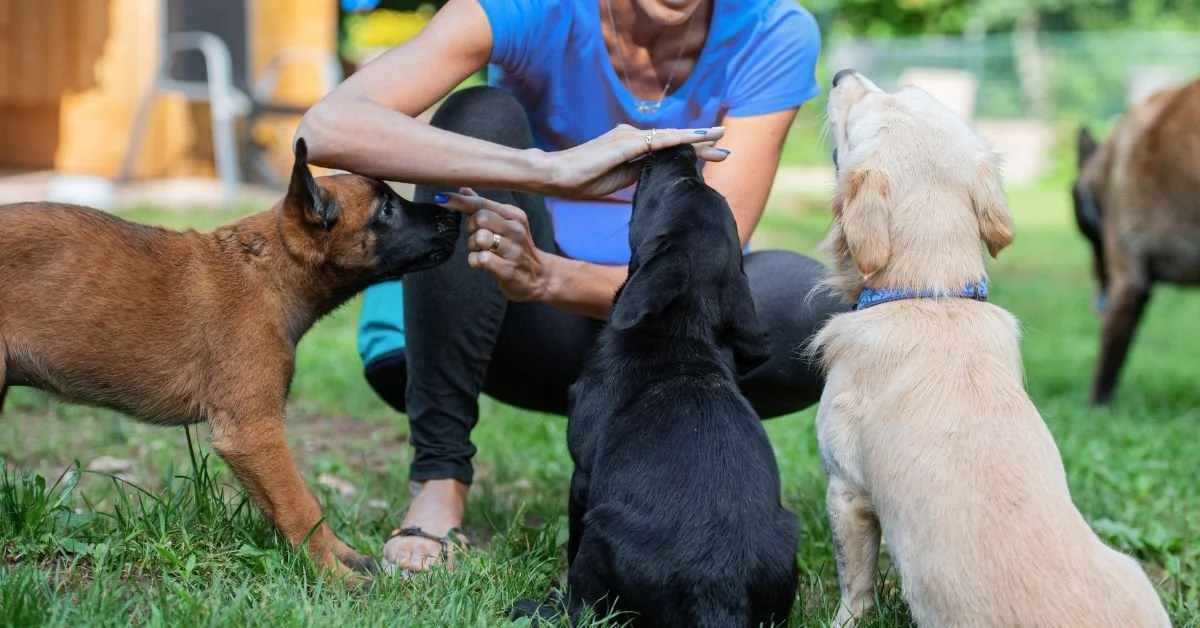
The best time to start is as soon as your veterinarian clears your puppy for safe participation in group environments.
Benefits of Puppy Classes in Milton
Professional puppy classes in Milton provide controlled environments where all participating dogs meet vaccination requirements. Puppies are matched appropriately for temperament and size, and interactions are supervised by experienced trainers who ensure positive learning experiences.
How Puppy Training in Alpharetta Supports Socialization
Puppy training in Alpharetta builds confidence while teaching foundational obedience skills. Structured sessions teach your puppy to focus around distractions, respond calmly to new stimuli, and build trust with you as their handler.
Benefits of Structured Puppy Socialization Programs
Builds lifelong confidence
Prevents fear-based aggression
Improves leash manners
Strengthens the owner-puppy bond
Reduces the likelihood of costly behavior problems late
Early structure provides long-term peace of mind.
How to Tell If Your Puppy Is Overwhelmed
Socialization should gently stretch your puppy’s comfort zone, not overwhelm it.
Stress Signals to Watch For
Common stress indicators include lip licking, yawning when not tired, turning away, freezing, trembling, or refusing treats. These subtle cues often appear before more obvious signs of fear.
The Positive Exposure Rule
If your puppy can take treats, engage with you, and recover quickly from mild surprises, the exposure level is appropriate. If they shut down or panic, the environment may be too intense and should be scaled back.
Can You Socialize Your Puppy Without Classes?
While it’s possible to handle socialization on your own, many well-meaning owners accidentally move too quickly, miss stress signals, or allow unsafe dog interactions. Professional guidance helps ensure your puppy progresses at a healthy pace.
Combining at-home exposure with structured puppy classes in Milton or puppy training in Alpharetta often provides the safest and most effective results.
Creating a Socialization Plan for Your Puppy
A thoughtful plan prevents overwhelm and encourages steady progress. Start with quieter environments and brief introductions, then gradually increase the level of activity and distraction. Consistency, patience, and positive reinforcement are key. Tracking your puppy’s comfort level helps you adjust experiences appropriately.
Frequently Asked Questions About Puppy Socialization
How many socialization experiences does a puppy need per day?
Short, positive exposures daily are ideal. Even five to ten minutes of new experiences can build confidence when repeated consistently.
Is it safe to socialize my puppy before vaccinations are complete?
Yes, when done carefully. Structured classes that require vaccinations and maintain clean, controlled environments are considered safe by most veterinarians.
Can older puppies still be socialized?
Yes, though it may require slower progression and professional guidance if fear responses have already developed.
Are dog parks good for puppy socialization?
Generally, no. Dog parks can be unpredictable and overwhelming for young puppies during their critical development stage.
What happens if I miss the socialization window?
While early exposure is ideal, training and behavior modification can still improve confidence. It simply requires more structured work and patience.
Give Your Puppy the Best Start Possible

Puppy socialization isn’t about overwhelming your dog with experiences; it’s about providing the right experiences at the right pace during a critical stage of development.
In a dynamic area like Atlanta, early confidence-building prepares your puppy for city life, family life, and everything in between. Proper puppy socialization in Atlanta, combined with structured puppy classes in Milton or puppy training in Alpharetta, can prevent stress, fear, and behavioral challenges before they begin.
If you want your puppy to grow into a confident, well-mannered companion, now is the time to start. Contact Atlanta Dog Trainer today to learn more about our structured puppy socialization programs and reserve your spot in an upcoming class.