
How Do I Fix Separation Anxiety When Everyone Goes Back to Work or School?
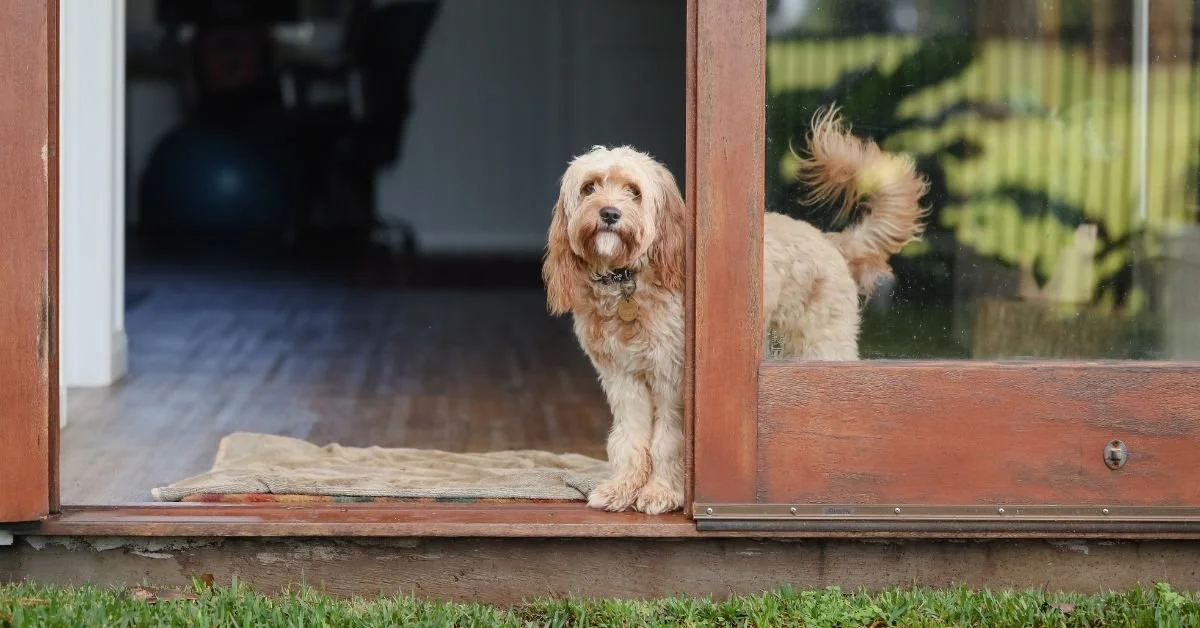
If your dog has had the luxury of having the whole family around whether it was summer break, remote work, or an extended stretch at home, the shift back to normal schedules can hit hard. Not for you (well, maybe a little), but for your dog.
Suddenly, the house goes quiet. The door closes. And your once-calm companion starts barking, pacing, scratching at doors, or worse.
This is separation anxiety, and it's one of the most common behavioral challenges dogs face. Canine separation anxiety is a stress-driven condition in which a dog becomes excessively distressed when separated from their owner or primary caregiver. It goes beyond simply missing you, it's a genuine panic response that can lead to destructive behavior, self-injury, and significant disruption to your household.
The good news? Separation anxiety dog training works. With the right strategies and a little patience, most dogs can learn to feel safe and relaxed on their own. In this post, we'll walk you through how to spot the signs, understand why it happens, and apply proven techniques used by the certified behavior specialists at Atlanta Dog Trainer, who have helped thousands of dogs across the greater Atlanta area.
What Does Separation Anxiety in Dogs Actually Look Like?
Separation anxiety doesn't always look the same from dog to dog, but the patterns are unmistakable once you know what to watch for. The most common sign is excessive vocalization, such as barking, howling, or whining, that starts shortly after you leave and continues for extended periods of time. Neighbors may mention it before you even realize it's happening.
Then there's the destruction. Dogs with separation anxiety often target doors, windows, and crate bars, anything that stands between them and the person they're trying to reach. You might come home to scratched-up door frames, chewed blinds, or bent crate wires.
This isn't your dog being "bad" or spiteful. It's a stress response, plain and simple.
House soiling is another telltale sign, especially in dogs who are otherwise fully house-trained. When anxiety takes over, even well-trained dogs can lose control.
Pacing is another red flag. Some dogs walk in tight circles or follow a fixed path back and forth. Others may drool excessively, refuse to eat, or tremble. These behaviors typically begin within minutes of the owner's departure and can persist the entire time the dog is alone.
It's important to approach these signs with empathy rather than frustration. Your dog isn't choosing to act out, they're overwhelmed. A qualified dog trainer Atlanta families rely on can help you determine whether what you're seeing is true separation anxiety or something else entirely.
Separation Anxiety vs. Normal Boredom: How to Tell the Difference
Not every chewed shoe or knocked-over trash can is a sign of separation anxiety. Dogs get bored, and bored dogs get creative, usually at the expense of your furniture. The distinction matters because the solutions are very different.
Boredom-related destruction tends to be random and relatively low-intensity. Your dog might shred a pillow or dig through the recycling, but the behavior doesn't have an urgent, frantic quality.
Separation anxiety behaviors, on the other hand, are focused and intense. The damage concentrates around exit doors, windows, gates, or on items that carry your scent, like shoes and clothing. The dog may also show signs of distress before you leave, picking up on departure cues like grabbing your keys or putting on shoes.
If you're unsure which you're dealing with, a professional assessment can pinpoint the root cause and set you on the right path.
Why Does Separation Anxiety Get Worse When Routines Change?

Dogs are creatures of habit. They thrive on predictability, knowing when meals happen, when walks happen, and most importantly, when their people are home. When a household spends weeks or months together around the clock, that becomes the dog's baseline. It's their version of normal.
So when the kids head back to school, a partner returns to the office, or summer activities wind down, the dog doesn't understand the calendar. All they know is that the people they depend on are suddenly gone for hours at a time, with no warning and no explanation. To a dog, that shift can feel like abandonment.
This is especially true for dogs who were adopted or brought home during periods of remote work. These "Covid pups," as trainers often call them, may never have experienced being alone. They didn't get the early socialization and alone-time conditioning that typically happens during puppyhood.
Without that foundation, the first time they're truly left alone can be overwhelming. Atlanta Dog Trainer has worked extensively with pandemic-era dogs struggling with exactly this issue, helping them build the confidence and independence they missed during those early, housebound months.
Other factors compound the problem. A dog with an anxious temperament is more vulnerable. Certain breeds with strong bonding instincts, such as herding dogs and retrievers, may feel the separation more acutely. And if prior departures were associated with negative experiences (a thunderstorm while home alone, for instance), the anxiety can layer and intensify over time.
Proven Separation Anxiety Dog Training Strategies That Work
The following techniques are trainer-approved strategies used at Atlanta Dog Trainer's facility in Alpharetta. When applied consistently, they can make a real difference for dogs at every anxiety level.
Gradual desensitization: This is the gold standard for separation anxiety dog training. Start with absurdly short departures, step outside for 30 seconds, then come back in calmly. Over days and weeks, gradually increase the duration. The goal is to teach your dog that you always come back, and that being alone is safe and temporary.
Practice "boring" departures and arrivals: Dramatic goodbyes and enthusiastic greetings spike your dog's emotional state. Instead, leave without fanfare and return without fuss. A calm, matter-of-fact energy teaches your dog that comings and goings are no big deal.
Create a positive alone-time association: Reserve a special high-value treat or puzzle toy, a frozen Kong, a lick mat, or a snuffle mat that your dog only gets when you leave. Over time, your departure becomes the signal for something enjoyable rather than something scary.
Build independence indoors first: Before tackling full departures, practice separation within the house. Close a baby gate between rooms. Sit in another room while your dog stays in place. These small exercises build your dog's tolerance for not being right next to you at all times.
Establish a consistent pre-departure routine: Dogs pick up on patterns fast. Create a reliable sequence: a short walk, a bathroom break, then the special treat, then you leave so your dog can anticipate and mentally prepare for alone time.
Use crate training thoughtfully: A crate can be a calming, safe space for some dogs, offering a den-like sense of security. For others, especially dogs who have panicked in a crate before, confinement can make anxiety worse. Work with a professional to determine the right approach for your dog.
Consider day school or daycare: On the days when full alone time feels like too much, structured daycare can bridge the gap. Atlanta Dog Trainer's doggie daycare is designed to release stress and energy through socialization, play, and mental stimulation, so your dog isn't just sitting at home spiraling.
Every dog responds at a different pace, so don't be discouraged if progress feels slow at first. Consistency and patience are your best tools. And when in doubt, working with a certified behaviorist ensures you're not accidentally reinforcing the anxiety.
When Should You Call a Professional Dog Trainer?
Home strategies are a great starting point, but there are times when professional help isn't just beneficial, it's necessary. If you've been working on desensitization and routine changes for two to three weeks without improvement, it may be time to call in an expert. The same is true if your dog is injuring themselves with broken nails from scratching, bloody gums from chewing crate bars, or raw paws from frantic pacing.
Other signs that it's time to seek help include neighbors reporting constant barking or howling, house soiling that's getting worse rather than better, or anxiety that's escalating in intensity despite your best efforts. These aren't failures on your part; they're signals that your dog needs a more structured, professional approach.
Professional behavior training Alpharetta and Atlanta dog owners trust typically begins with a thorough behavioral assessment. From there, a customized training plan is built around your dog's specific triggers, severity level, and temperament.
Because separation anxiety is a behavioral issue, real progress depends on the owner being actively involved in the training so that techniques transfer home. For that reason, Atlanta Dog Trainer addresses separation anxiety through private one-on-one sessions and in-home training, where you and your trainer work together in your dog's actual environment.
Our board and train program focuses primarily on obedience training and is not used to address behavioral issues like separation anxiety without the owner present. With over 10,000 dogs trained, a 5-star rating, and a team of certified Canine Behavior & Training Specialists, you're in experienced hands.
What to Expect from a Professional Separation Anxiety Program
A structured separation anxiety program typically begins with an in-depth consultation where the trainer evaluates your dog's behavior, triggers, and history. From there, they'll design a customized desensitization plan with clear milestones and specific durations of alone time your dog should be comfortable with at each stage.
Regular progress check-ins are built into the process, so the plan can be adjusted as your dog improves or if plateaus occur. But perhaps the most important element is owner education.
The trainer will coach you on your own behavior, how you leave, how you return, and what cues you may be giving off without realizing it. As Atlanta Dog Trainer puts it: "A trained dog makes a happy owner… a trained owner makes a happier dog."
The training only sticks if it continues at home, and that means equipping you with the knowledge and confidence to reinforce it every day.
Frequently Asked Questions About Separation Anxiety Dog Training
How long does it take to fix separation anxiety in dogs?
Timelines depend on the severity of the anxiety and how consistently the training plan is followed. Most dogs show noticeable improvement within four to eight weeks. Mild cases may resolve faster, while severe anxiety, especially in dogs with no prior alone-time experience, can take several months of structured work.
Can separation anxiety in dogs be cured completely?
Many dogs can absolutely learn to be comfortable and relaxed when left alone. With proper separation anxiety dog training, symptoms are significantly reduced or eliminated. Some dogs may always have a natural tendency toward attachment, but training gives them the coping skills to manage it without distress.
Is medication necessary for dog separation anxiety?
Behavior modification and training are always the first line of treatment. In severe cases, a veterinarian may recommend anti-anxiety medication as a short-term complement to training, not a replacement. Medication can lower the baseline anxiety enough for training techniques to take hold more effectively.
What dog breeds are most prone to separation anxiety?
Breeds with strong bonding instincts tend to be more susceptible. Labrador Retrievers, German Shepherds, Vizslas, Border Collies, and Australian Shepherds are frequently cited. That said, any dog, regardless of breed, age, or background, can develop separation anxiety, especially after a major routine change.
Will getting a second dog help with separation anxiety?
This is one of the most common misconceptions. Separation anxiety is rooted in the dog's bond with their owner, not general loneliness. A second dog may provide some companionship, but it won't address the core issue. In some cases, the anxious dog's behavior can even influence the new dog, leaving you with two stressed-out pets.
Help Your Dog Thrive, Even When You're Away

Separation anxiety can feel overwhelming, for you and your dog, but it doesn't have to be a permanent part of your life. With the right approach, including gradual desensitization, consistent routines, positive associations with alone time, and confidence-building exercises, most dogs learn to feel safe and settled on their own. The key is starting early, staying patient, and recognizing when it's time to bring in professional support.
At Atlanta Dog Trainer, our certified Canine Behavior & Training Specialists have spent over 30 years helping dogs and their owners across Alpharetta, Milton, Roswell, and the greater Atlanta area. Whether your dog needs private sessions, in-home training, or structured day school support, we'll create a plan built around their unique needs, and yours. Because separation anxiety is a behavioral issue, every plan keeps you actively involved so progress carries over at home.
Don't let separation anxiety hold your dog back from being the happy, confident companion they're meant to be. Call us today at (404) 689 0471 or visit our training facility at 12900 Freemanville Road, Alpharetta, GA 30004 to schedule a consultation. A calmer, happier dog is just one phone call away.