
Puppy Training in Atlanta: Your Complete First-Year Guide
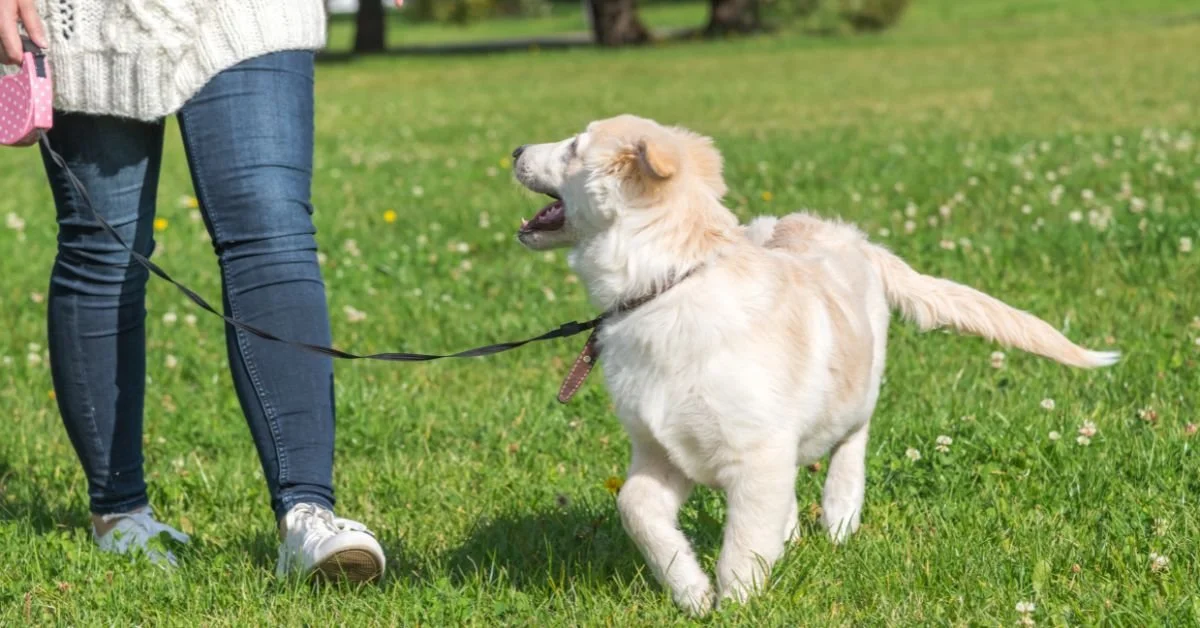
Bringing home a new puppy is exciting, and the first year is when habits form fast. A structured puppy training program helps Atlanta puppy owners build daily routines, prevent problem behaviors before they start, and create clear communication that lasts into adulthood. This guide breaks the year into simple phases so you can focus on the right skills at the right time, without overwhelming your puppy or your household.
What You Will Learn About Training
How to structure the first 7 days at home for steadier behavior
What to prioritize in months 2 to 4: socialization, handling, and basics
How to reduce biting, jumping, and leash pulling with simple routines
When to move from puppy basics into broader obedience goals
| Age | Focus |
|---|---|
| 8 to 10 weeks | Routine, crate training, potty plan, name game |
| 10 to 16 weeks | Socialization, handling, calm greetings, basics |
| 4 to 6 months | Leash skills, impulse control, teen behavior prevention |
| 6 to 12 months | Proofing, distractions, reliability, life skills |
First-Year Puppy Training Roadmap: How Do I Set Up the First Week With a New Puppy?
The first week should be about predictability, not perfection. Build a simple schedule for potty trips, meals, naps, and short training sessions so your puppy learns what to expect.
Key routines to start on day one include pairing crate time with positive rewards (not forced confinement), taking potty trips right after sleep, play, and meals, doing short “name game” sessions where you say the name and reward eye contact, and practicing gentle handling like paws, ears, collar grabs, and brushing.
For Atlanta Dog Trainer puppy classes, puppies must be fully vaccinated, which typically happens around 16 to 18 weeks. Until then, focus on gentle at home routines and handling, and plan to start facility based training once your puppy meets vaccination requirements.
What Should a Puppy Learn First in Months 2 to 4?
In this stage, your puppy is absorbing the world quickly. The goal is to build positive exposure and early obedience without flooding your puppy with too much stimulation.
Priorities that matter most include socialization with safe people, environments, sounds, and surfaces, teaching polite greetings instead of jumping, building "come," "sit," and "down" skills, practicing bite inhibition with toy exchange, and introducing loose leash walking basics.
Many families choose a puppy training program here because it is the easiest phase to shape good habits and prevent long term issues.
How Do I Reduce Puppy Biting Without Turning It Into a Battle?
Puppy biting is normal, but it needs consistent boundaries. Keep responses calm and predictable so your puppy learns that teeth on skin ends the game.
Use a consistent sequence: redirect to a toy and praise when teeth go to the toy, pause play for 10 to 20 seconds if teeth touch skin and then restart, add nap breaks because overtired puppies bite more, and reward calm behaviors like settling, chewing a toy, or choosing to disengage.
If biting escalates into constant nipping, professional coaching can help identify what is driving it and what to change in the daily routine.
How Can I Potty Train a Puppy Faster in a Busy Atlanta Household?
Potty training improves when you remove guesswork. Use a schedule, supervise closely, and reward the correct choice right away.
A reliable plan is to take your puppy out on a timer (not just when the puppy seems to ask), reward outside potty with a high-value treat within 2 seconds, clean indoor accidents with an enzymatic cleaner, and increase freedom slowly one room at a time.
Consistency matters more than intensity. A few focused weeks beat months of on and off effort.
When Is the Right Time to Start Puppy Classes?
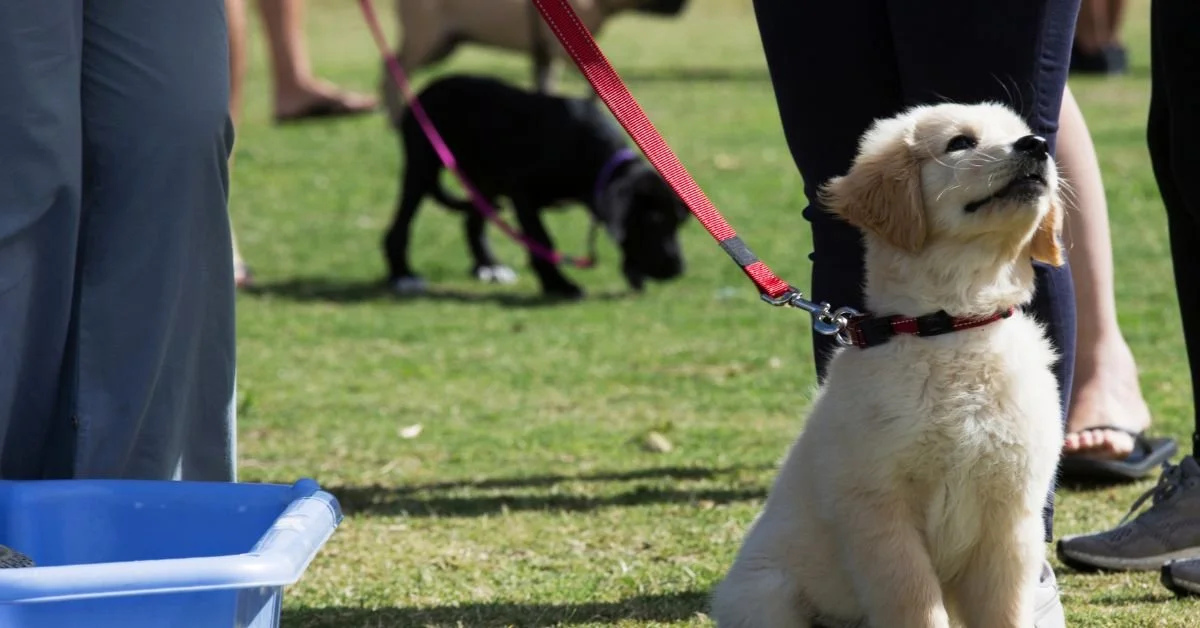
Many puppies are ready for structured learning and safe social exposure early in life, and the best time to begin is before unwanted habits settle in. At Atlanta Dog Trainer, puppy training starts once puppies are fully vaccinated, which is typically around 16 to 18 weeks. Puppy classes Atlanta owners choose should be small, structured, and focused on real-life manners.
For a program built around strong foundations and a clear progression, review Atlanta Dog Trainer’s puppy training details and upcoming options.
What Should I Focus On From 4 to 6 Months?
This is the stage when puppies become bolder, more distracted, and more curious. Build impulse control and leash skills now, because these are the habits that make daily life easier.
Focus areas include “leave it” and “drop it” basics, polite door manners with greeting control, leash walking around new smells and movement, settling quietly while the family is active, and early recall games with higher distractions.
If you want longer term goals beyond puppy basics, explore broader dog training options and talk with the team about a plan.
How Do I Get Reliable Obedience From 6 to 12 Months?
Your puppy is now learning which behaviors work in the real world. Reliability comes from proofing, not repeating cues louder.
Proofing works best when you practice skills in new locations and at new times of day. Add one challenge at a time (distance, duration, distraction), reward the right choice before your puppy fails, and use management when needed, such as a leash or baby gate.
This phase is also when many owners notice “teen behavior.” With consistent structure, that phase passes, and your dog matures into steadier habits.
Why You Should Act Early Instead of Waiting for “Outgrowing It”
Waiting often allows small problems to turn into bigger habits. Early action helps protect your puppy's progress, your household routines, and your long-term results.
Common consequences of delaying training:
Pulling becomes harder to fix once it is practiced for months
Jumping turns into knocking people over as the puppy grows
Reactivity can increase when socialization is inconsistent
Potty mistakes become a routine, not an accident
Why Atlanta Families Trust Atlanta Dog Trainer for First-Year Foundations
Choosing the right puppy training program is not about doing the most; it is about doing the right things consistently.
When you train with our team, you get:
Clear step-by-step skill building, not random tips
Coaching for the human side of training, so the plan is sustainable
Support for real-life situations like visitors, leash walks, and routines
A focus on steady, polite behaviors, not just commands
Learn more about our approach on Who We Are.
FAQ
How long does a puppy training program take?
Most puppies benefit from consistent practice across the first year, but Atlanta Dog Trainer puppy classes start around 16 weeks once puppies are fully vaccinated. Setting your puppy up for success early means building steady routines now so your puppy is ready to get the most out of puppy classes when vaccination requirements are met.
Are puppy classes group or private training?
Group puppy classes work well for core skills and controlled social learning, while private training is best for specific behavior goals, like preparing for therapy dog work. The right fit depends on your puppy’s confidence, your goals (therapy dog preparation is usually best in private training), and the real life distractions you need to train through.
What if my puppy is fearful, biting a lot, or struggling with new situations?
Start with calm, positive exposure at a distance your puppy can handle and increase difficulty slowly. If biting, fear, guarding, or leash frustration is consistent or escalating, getting help early gives you a clear plan instead of guessing. Use our contact page to discuss the best next step.
Ready to Start Puppy Training in Atlanta?
Atlanta Dog Trainer is locally owned and operated, with 30+ years of combined experience across our training team. A steady start makes every stage easier. Start with our puppy training page or contact the team at 404-304-2250.