
Dog Behaviorist Atlanta: Reduce Anxiety and Soften Body Language
Helping an anxious dog feel calmer is one of the most rewarding things you can do as a pet parent. Small changes in how you handle walks, manage triggers, and respond to stress signals can add up to a happier, more relaxed dog.
Whether your dog gets nervous around strangers, other dogs, or new environments, there are simple steps you can take today to lower their anxiety and make everyday outings something you both enjoy.
What you will learn about anxiety in dogs
How to spot early stress signals before they turn into bigger reactions
How handling, equipment, and your own body language can change how your dog is perceived
When behavior support is a safer next step than hoping your dog will "get used to it"
How behavior-focused training can help anxious or reactive dogs practice calmer patterns around triggers
Why perception matters for anxious and reactive dogs
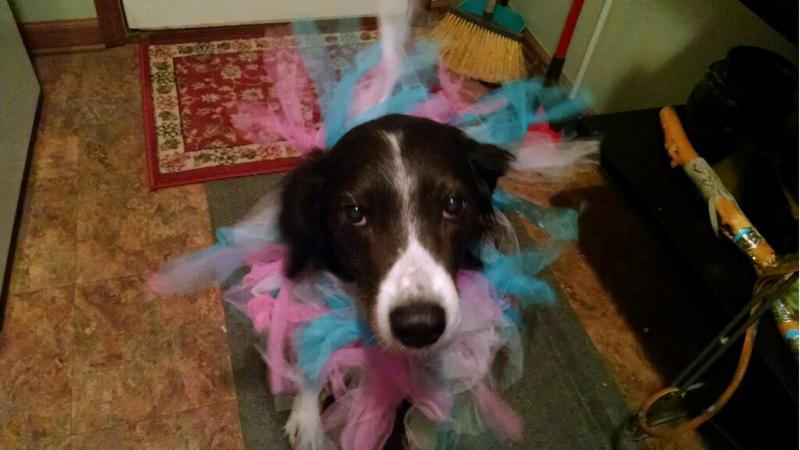
Some dogs look intense even when they are trying to cope. A forward lean, tight mouth, or quick head turns can be read the wrong way to people nearby. For the dog, those same signals can be an attempt to create space.
When you can reduce tension in your dog's body language and support calmer choices, the whole outing becomes easier for everyone, including the people who might otherwise react nervously.
Quick, low-conflict ways to soften your dog's look
These are not gimmicks or fixes for serious safety concerns. They are small adjustments that can reduce pressure and help your dog feel safer.
Give more space on purpose. Cross the street early or step into a driveway to avoid a tight pass.
Keep the leash loose whenever safe. A tight leash often adds intensity and signals frustration.
Use a calm, predictable pace. Sudden stops or fast marching can increase scanning and tension.
Angle your body away from the trigger. Your body can block visual pressure and invite your dog to disengage.
Reward the moment your dog looks away. Reinforce the first sign of decompression rather than waiting for perfect behavior.
If your dog is already showing these behaviors, these steps are best used alongside a structured plan from a professional. They can lower the tension, but they are not a full behavior modification program.
Catching these signs early matters because it gives you time to change the picture and help your dog reset before the situation becomes too much.
When group behavior support makes sense
One-on-one support is often the safest starting point when there is a bite history, high-intensity reactivity, or situations that feel difficult to manage. Many dogs also benefit from controlled practice around other dogs and people.
Behavior-focused training can be helpful for anxious or reactive dogs when the environment is structured, the trainer can coach timing, and the plan is designed for behavior support rather than basic obedience only.
When dog behaviorist support makes sense in Atlanta
We recommend professional support if we notice any of the following:
Your dog cannot eat or take treats near triggers
Your dog escalates quickly from "watching" to barking or lunging
Your dog seems unpredictable around strangers, visitors, or crowded sidewalks
You feel unsafe managing your dog in public
Atlanta Dog Trainer is locally owned and operated, with 30+ years of combined experience helping dogs build safer, calmer habits through tailored behavior plans. For training help, call 404-304-2250.
FAQ
Can body language training help reduce dog anxiety?
Yes. When you learn how to notice early stress signals and change the situation before your dog feels trapped, anxiety often decreases. A trainer can also teach handling and movement patterns that help your dog disengage and recover faster.
Why does my dog look tense around strangers?
Tension is often a distance-increasing signal. Your dog might be unsure, overstimulated, or guarding space. A behavior assessment can identify whether the tension is fear-based, frustration-based, or linked to past experiences.
When should I consider behavior-focused training?
Consider behavior-focused training when your dog reacts to people or dogs but can still learn in a controlled setting. If there is a bite history, severe fear, or reactions that feel unsafe, start with a private behavior consultation before joining a group class.
Start building calmer outings
You do not have to keep apologizing for your dog or hoping each outing goes smoothly. With the right plan, many anxious and reactive dogs learn calmer ways to handle the world.
If you are ready to get support from a dog behaviorist in Atlanta, call 404-304-2250 to talk through next steps.
Updated on June 24, 2026